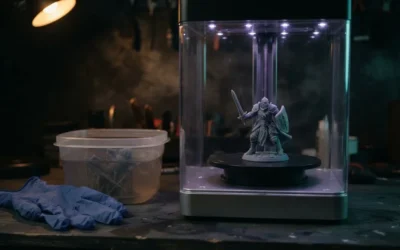
Washing and Curing Resin Prints: IPA, Water-Washable and Cure Times
How long to wash and cure resin prints: IPA vs water-washable resin, cure times for miniatures, safe disposal, and fixes for sticky or white prints.

Artisan Guild is one of the most popular fantasy miniature studios in 3D printing, known for bold, heroic sculpts that read well on the table, modular kits with lots of swappable parts, and files that are pre-supported with printing in mind. It’s a great choice if you play D&D or fantasy wargames and want a consistent, characterful look across your collection. The main downsides are the occasional fragile spike or spear tip at 28–32 mm scale, and the cost of a subscription if you only want a few models. Here’s our assessment after printing and painting their work.
Artisan Guild is a fantasy miniature studio led by sculptor Andrea Tarabella, as stated in the studio’s own creator profiles. It releases themed monthly collections of digital files (STLs) for home 3D printing, built around fantasy factions: knights, elves, dwarves, orcs, undead, beastmen, and plenty of monsters to fight them.
Over the years Artisan Guild has distributed through Patreon, MyMiniFactory, and its own monthly subscription service, the Guildhall. Release routes and prices change, so check the official Artisan Guild website for the current options.
Lots of 3D-printed minis look stunning in renders and then become a blur of detail at arm’s length. Artisan Guild sculpts lean the other way: chunky weapons, clear armour plates, big shapes and strong poses. On a busy D&D table or in a wargame unit, you can tell what each model is at a glance. That’s the “heroic” style many players grew up with, refined with modern digital sculpting.
Many releases include alternative heads, arms, weapons and accessories, so you can build a unit of soldiers that don’t look like clones, or turn one kit into several different player characters. It’s also great for kitbashing: mixing parts from different releases to build something unique.
Because releases share one art direction, an army or adventuring party built from different months still looks like it belongs together. That consistency is one of the biggest reasons fans stick with a single studio.
We’ve printed many Artisan Guild models at 32 mm and display scales on standard resin printers. In our experience:
What goes well
What to watch
For the full process from printer to primer, see our resin 3D printing guide, How to Support Miniatures for Resin Printing and How to Prep Resin Miniatures for Painting.
Artisan Guild models are satisfying to paint because the surfaces are clearly separated: cloth, leather, metal and skin are distinct, so base coating is straightforward. Big armour plates and cloaks give room for highlights, and texture like fur and mail takes a drybrush beautifully. They’re friendly to beginners, while the display-scale versions give experienced painters plenty to work with.
| Tabletop (28–32 mm) | Display (54–75 mm) | |
|---|---|---|
| Best for | D&D, skirmish games, wargaming units | Painting showpieces, competitions, shelves |
| Strengths | Readable shapes, durable enough for play, quick to paint in batches | Detail and sculpted textures really shine |
| Watch out for | Thin tips; handle carefully | Uses more resin; needs careful supports |
Subscribing to the files makes sense if you:
Buying ready-printed models makes sense if you:
If you buy printed models, choose a seller who is licensed by the creator to sell their designs. Licensed merchant schemes are common among STL studios.
| Score | |
|---|---|
| Sculpt style and character | ★★★★★ |
| Modularity | ★★★★★ |
| Printability | ★★★★☆ |
| Tabletop durability | ★★★★☆ |
| Value for regular printers | ★★★★☆ |
Artisan Guild is an excellent choice for fantasy gamers who want a consistent, heroic look and lots of variety from each kit. If you only need one or two characters, buying individual files or licensed prints may be better value than a subscription.
Are Artisan Guild miniatures good? Yes. They’re known for heroic, readable sculpts, modular parts and reliable pre-supports.
Who sculpts Artisan Guild miniatures? The studio is led by Andrea Tarabella, according to its official creator profiles.
Where can I get Artisan Guild files? Through their official channels, including their own Guildhall subscription, and creator platforms they’ve used such as Patreon and MyMiniFactory.
Are Artisan Guild minis 28 mm or 32 mm? Most fantasy releases suit 32 mm heroic scale, and they can be scaled for other sizes when printing.

How long to wash and cure resin prints: IPA vs water-washable resin, cure times for miniatures, safe disposal, and fixes for sticky or white prints.
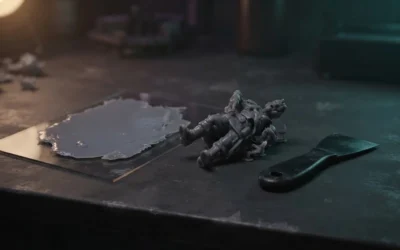
Resin print failed? Diagnose the 12 most common resin printing problems for miniatures, from nothing on the plate to cracks, with clear fixes.
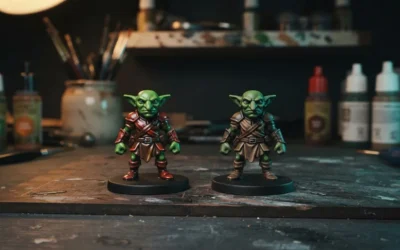
One-coat speed paints or classic layering? A side-by-side comparison, where each technique shines, how to use speed paints well, and the hybrid method most painters use.
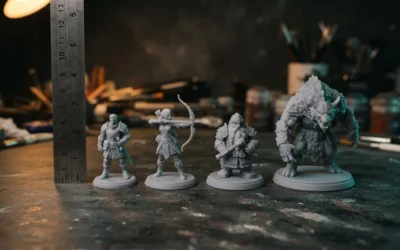
A clear guide to miniature scales: what 28mm and 32mm really mean, heroic proportions, which scale to choose for D&D, wargames and display, and scaling STL files.
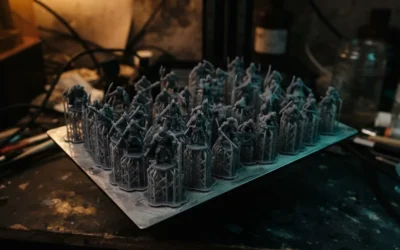
How to support 28–32 mm miniatures for resin printing: the right angle, light vs heavy supports, island checks and settings for Lychee and Chitubox.

How to thin acrylic miniature paints: the right ratios for base coats, layers and glazes, what to thin with, and how to tell when it’s too thick or too thin.

Prime miniatures the right way: spray, brush-on and airbrush methods, which primer colour to pick, zenithal priming, and fixes for fuzzy or beading primer.

Everything you need to print tabletop miniatures at home: choosing a resin printer, slicing and supports, washing, curing, safety and fixing failed prints.
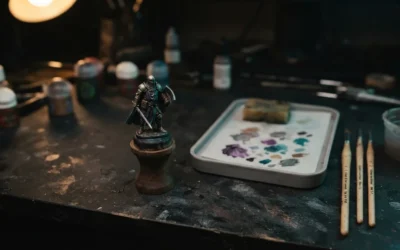
A step-by-step beginner’s guide to painting D&D miniatures: the starter kit, then prime, base coat, wash, highlight, base and seal.
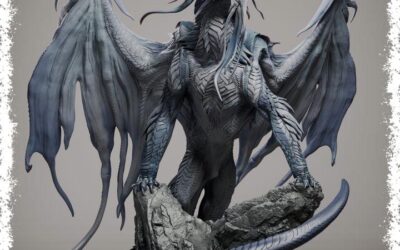
Buying for someone who rolls dice, paints tiny heroes or plans elaborate dungeon crawls can feel like stepping into a wizard’s workshop blindfolded. Do they...