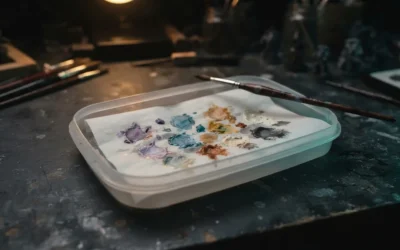
DIY Wet Palette for Under £5 (Keeps Paint Wet for Days)
Make a wet palette for miniature painting in five minutes for under £5: what you need, how wet it should be, and how to stop mould.

Resin 3D printing is safe at home if you treat liquid resin like a chemical, not a craft supply. The three big rules: never let uncured resin touch your skin (wear nitrile gloves every time), ventilate the room or vent the printer outside, and cure everything before it goes in the bin. Most problems people have, from itchy hands that turn into a lifelong allergy to headaches from fumes, come from skipping one of these. This guide covers the real risks, the kit you need, how to set up a safe printing space in a UK home, and how to dispose of resin and IPA properly.
This is general safety guidance for hobbyists. Always read the Safety Data Sheet (SDS) for your specific resin, which the maker must provide.
| Risk | What causes it | How serious |
|---|---|---|
| Skin sensitisation | Acrylates in liquid resin touching skin | Serious: once you’re sensitised, the allergy is usually permanent |
| Eye damage | Splashes of resin or IPA | Serious; rinse immediately |
| Breathing fumes | Volatile compounds (VOCs) from resin and IPA | Headaches, irritation; long-term effects not well studied |
| Fire | IPA vapour near flames or sparks | IPA is highly flammable |
| Sanding dust | Cured resin dust | Lung irritant; wet-sand to avoid |
| Environment | Liquid resin and dirty IPA down drains | Toxic to aquatic life |
This is the most important one. Liquid resin contains acrylates, which are strong skin sensitisers. Often the first few contacts cause nothing. Then, after repeated exposure, your immune system can become sensitised: from then on, even tiny amounts cause red, itchy, blistering skin. There’s no cure, and people who become sensitised often have to give up resin printing and may react to acrylic nails and some dental materials. Gloves every time is the only real protection.
| Item | Why | Notes |
|---|---|---|
| Nitrile gloves | Stop skin contact | Not latex or vinyl, which resin can pass through. Change if splashed. |
| Safety glasses | Protect eyes from splashes | Especially when pouring, filtering and washing |
| Ventilation | Removes fumes | Open window plus extractor fan, or a vented enclosure |
| Silicone mat or tray | Contains drips | Cured resin peels off silicone |
| Paper towels | Wipe spills immediately | Bin only after curing them in sunlight or UV |
| Lidded containers | For IPA and dirty wash fluid | Label them clearly |
| Respirator (optional) | For extra protection from fumes | A half-mask with organic vapour (A) filters |
| Fire extinguisher (optional) | IPA fire safety | A CO₂ or foam extinguisher rated for liquid fires |
Where to put the printer:
Ventilation options, best first:
Many modern printers have built-in carbon filters. They help, but don’t replace ventilation.
| Accident | What to do |
|---|---|
| Resin on skin | Wash immediately with soap and cold water for several minutes. Don’t use IPA on skin, which can drive resin deeper. |
| Resin in eyes | Rinse with clean water for at least 15 minutes and get medical help. |
| Rash or itching after printing | Stop printing, review your gloves and habits, and see a pharmacist or GP. Repeated rashes may mean sensitisation. |
| Headache or dizziness | Get fresh air; improve ventilation before printing again. |
| IPA fire | Don’t use water. Use a suitable extinguisher, or get out and call 999. |
Never pour liquid resin, dirty IPA or “washing water” from water-washable resin down a sink, toilet or drain.
It’s easier to clean, but not safer to touch. Water-washable resins contain the same type of sensitising acrylates, and the wash water is just as hazardous. Use exactly the same gloves, ventilation and disposal rules.
Lower smell doesn’t mean safe. These resins still contain acrylates and can still cause sensitisation. Check the Safety Data Sheet: if it lists skin sensitisation hazards (H317), treat it with the same care.
Is resin 3D printing safe indoors? It can be, with gloves, good ventilation and a dedicated space away from food and bedrooms.
Do I need a respirator for resin printing? Not always. Good ventilation is the priority. A half-mask with organic vapour filters adds protection if you’re sensitive or ventilation is limited.
Can I use latex gloves? No. Use nitrile. Resin can pass through latex and vinyl.
How do I dispose of resin in the UK? Cure it hard in sunlight or under UV, then bin it. Never pour liquid resin or dirty IPA down the drain.

Make a wet palette for miniature painting in five minutes for under £5: what you need, how wet it should be, and how to stop mould.

How to drybrush miniatures: the right brush and paint, step-by-step technique, colour recipes for stone, fur and metal, and common mistakes to avoid.
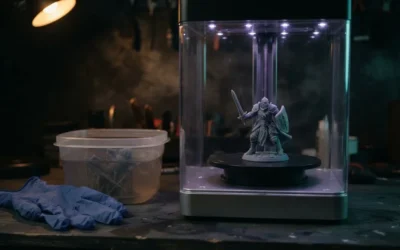
How long to wash and cure resin prints: IPA vs water-washable resin, cure times for miniatures, safe disposal, and fixes for sticky or white prints.
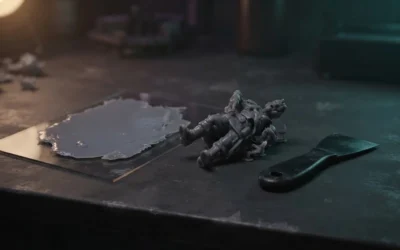
Resin print failed? Diagnose the 12 most common resin printing problems for miniatures, from nothing on the plate to cracks, with clear fixes.
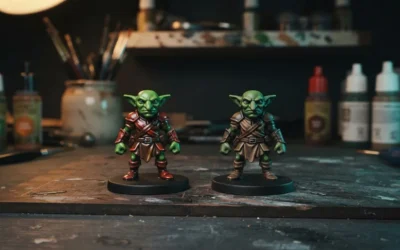
One-coat speed paints or classic layering? A side-by-side comparison, where each technique shines, how to use speed paints well, and the hybrid method most painters use.
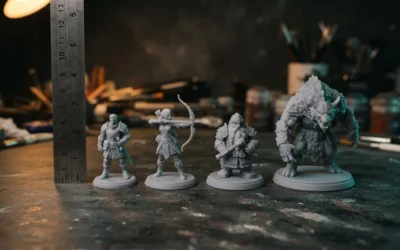
A clear guide to miniature scales: what 28mm and 32mm really mean, heroic proportions, which scale to choose for D&D, wargames and display, and scaling STL files.
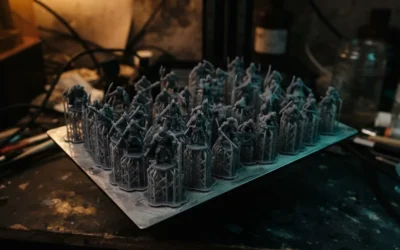
How to support 28–32 mm miniatures for resin printing: the right angle, light vs heavy supports, island checks and settings for Lychee and Chitubox.

How to thin acrylic miniature paints: the right ratios for base coats, layers and glazes, what to thin with, and how to tell when it’s too thick or too thin.

Prime miniatures the right way: spray, brush-on and airbrush methods, which primer colour to pick, zenithal priming, and fixes for fuzzy or beading primer.

Everything you need to print tabletop miniatures at home: choosing a resin printer, slicing and supports, washing, curing, safety and fixing failed prints.